From Linear Funnel to Fluid Decision-Making Process
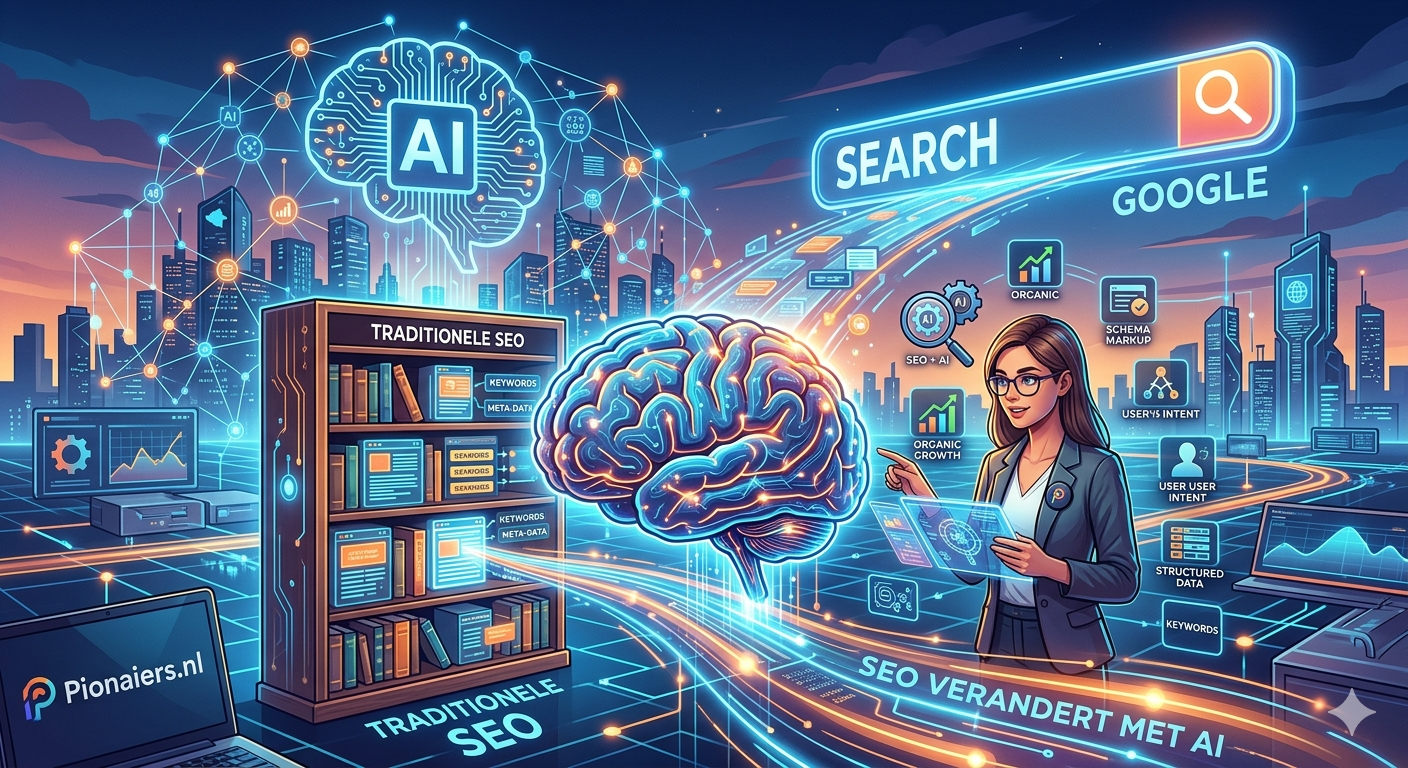
The classic customer journey, from awareness to purchase, has long served as a fixed model for marketers. But with the advent of smart assistants like ChatGPT, Perplexity, Claude, and Google’s SGE, the way people make choices is fundamentally changing. What we once saw as a series of steps is now crumbling into something much shorter, faster, and less controllable. AI makes it easier to choose directly, and increasingly, that choice is no longer made by the customer themselves. Welcome to the era of agentic commerce.
From Searching Yourself to Being Chosen
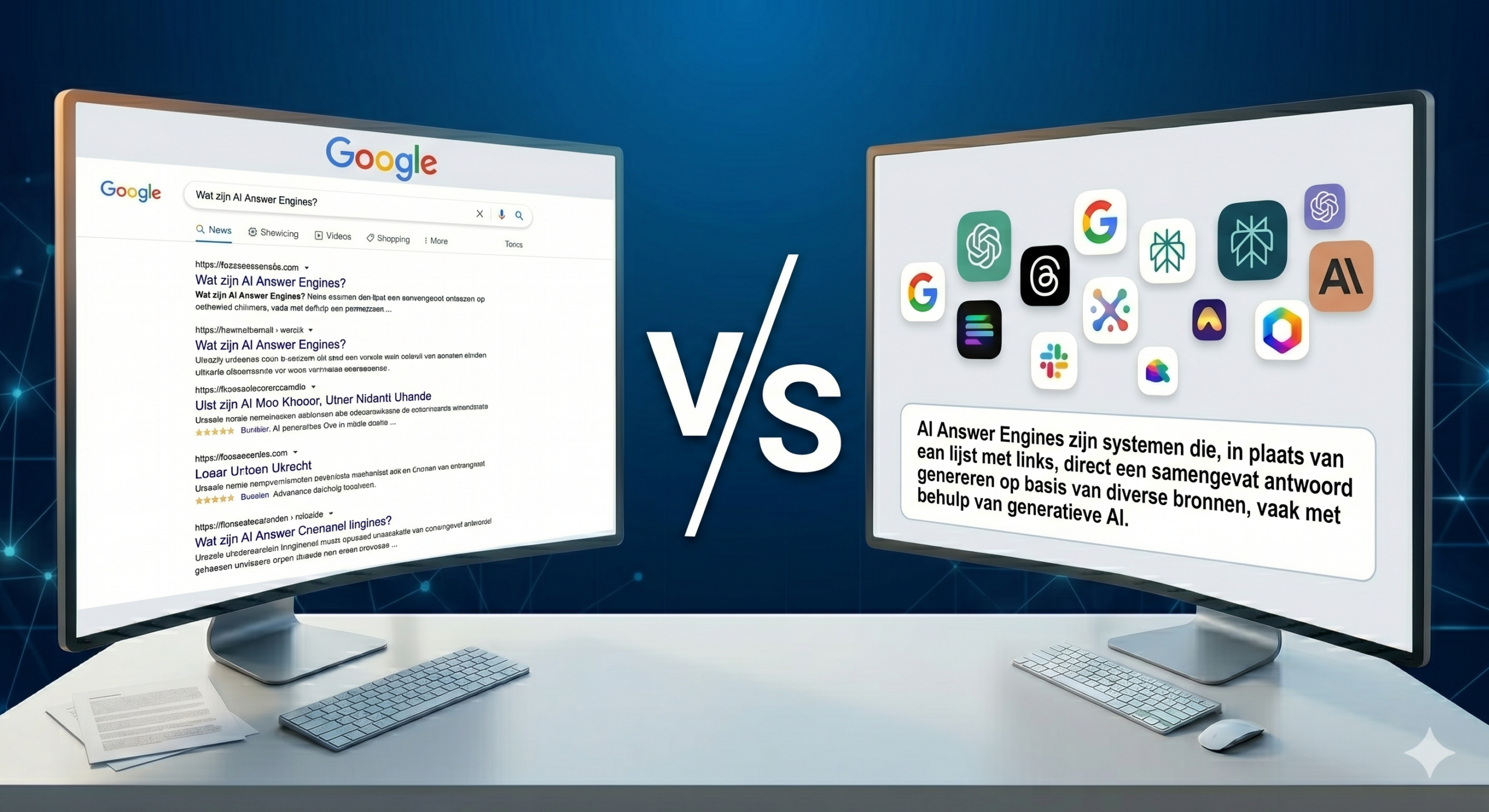
In the past, a customer started with a search query. They clicked through websites, read reviews, compared options, and went through a series of contact moments. Today, they ask their question to an AI assistant and receive one clear answer back. No more list of ten blue links, just: this is what you need. That changes everything:
- The customer asks, the AI chooses.
- The search becomes a recommendation.
- Your brand must not only be visible but also credible enough to be chosen.
Agentic Commerce: AI as an Intermediary
Agentic commerce revolves around something new: customers allowing decisions to be made by a digital agent. Think of assistants like Siri, ChatGPT, or an AI kiosk in the store. That agent gathers information, compares alternatives, and makes a recommendation, all in service of the customer. What changes:
- No more search results, but direct answers.
- No clicks, but conversations.
- No human comparison, but AI making considerations for you.
Examples:
- You ask: “What is the best protein powder?” → ChatGPT names one brand.
- In a store, a screen advises which product suits you best.
- The checkout system suggests taking something else based on your profile.
The New Reality of the Customer Journey
Where we used to think in terms like AIDA (Attention – Interest – Desire – Action), we now see a reality where:
- The choice is made before the customer.
- AI acts as a trusted source.
- One prompt is enough to make a purchase.
For brands, this means:
- Less control over the path someone takes.
- More importance on how you appear in AI answers.
- Greater need to create AI-proof content.
What should Marketers Do?
It’s no longer about:
“How do I get found on Google?”
But about:
“How do I get chosen by AI?” And that requires a different approach:
- Focus on Answer Engine Optimization (AEO).
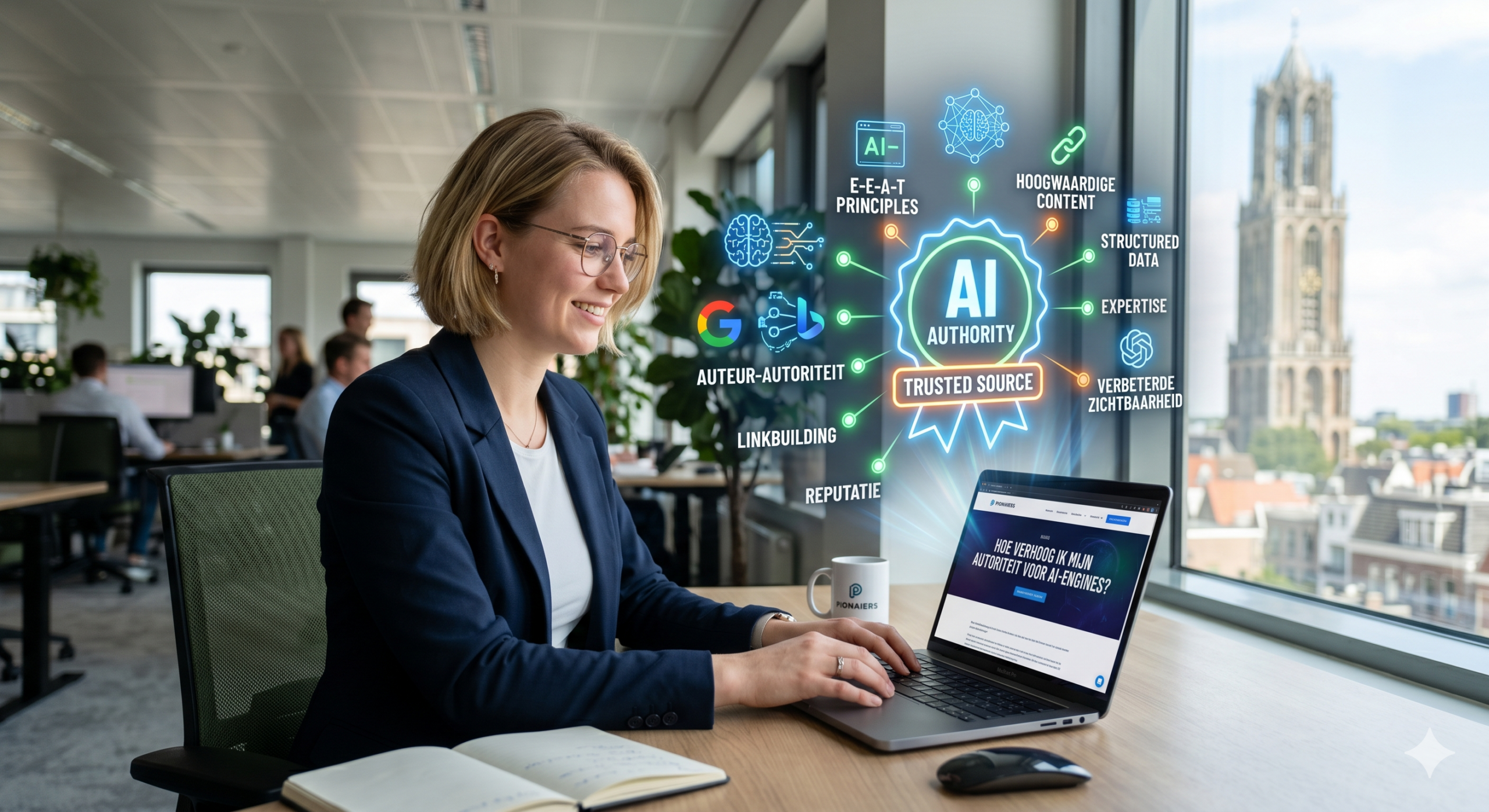
- Build trust in content (current, reliable, semantically strong).
- Ensure presence in places AI uses as sources: Quora, Reddit, review platforms.
- Optimize not only for people but also for AI that makes choices.
AI at the Checkout
The influence of AI is not limited to search engines. The customer journey is also being rewritten in stores and apps. Think of:
- Self-checkout systems that make smart upsells.
- Loyalty apps that provide tailored recommendations.
- Voice assistants that place an entire order without the customer having to search.
What Now?
As a brand, it’s crucial to be visible in places where AI gets its answers. That means:
- Investing in content that AI understands and trusts.
- Ensuring your brand appears in relevant online conversations.
- Understanding how language models like ChatGPT talk about you.
- Being prepared for a future where AI makes the choices.
Because what AI learns now will determine who it recommends later.
In Conclusion
The customer journey is not dead, but it has radically changed. AI is not just another channel. It is a decision-maker. And those who respond to this now will have an advantage tomorrow.
Those who wait will disappear from view or simply not be chosen anymore.
📌 Curious if your brand already appears in AI answers?
Request a free AI Readiness Scan via www.pionaiers.nl