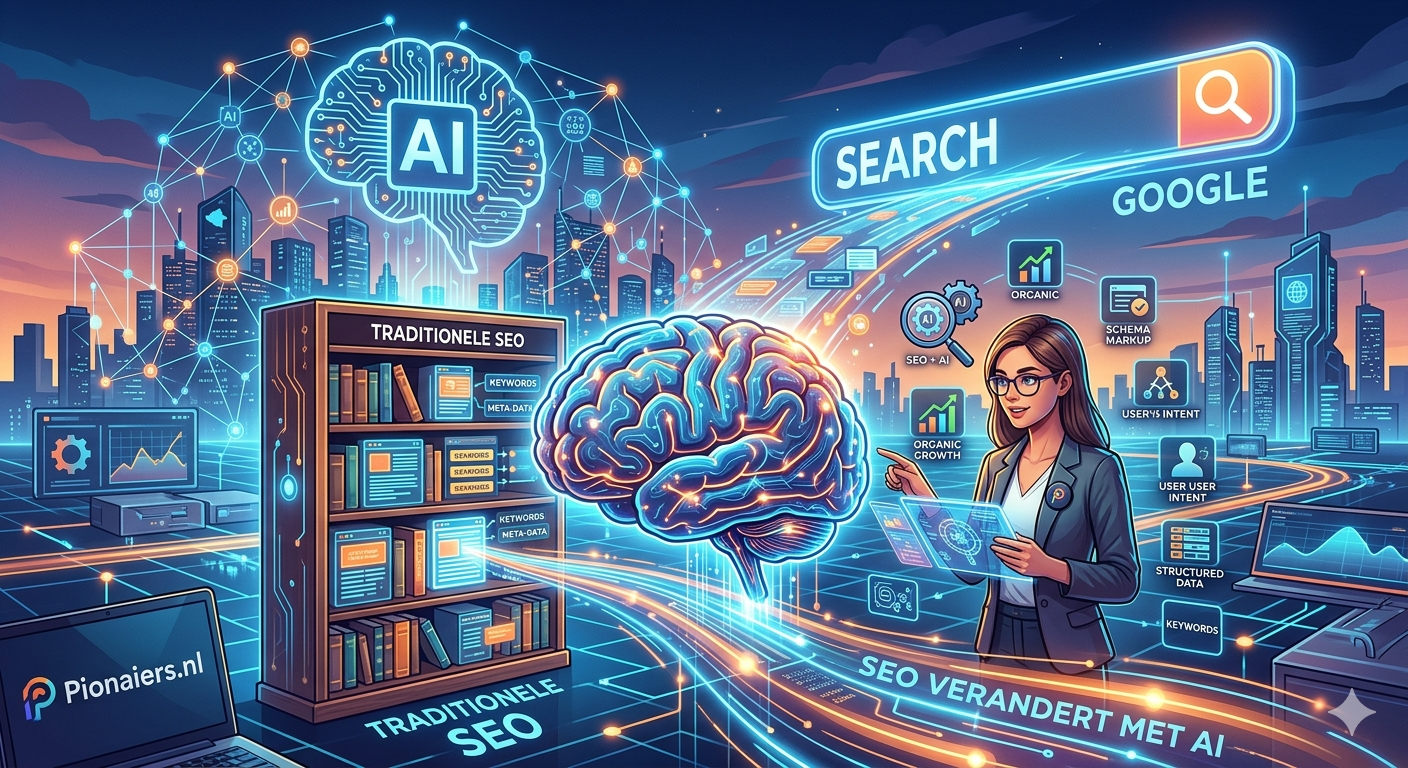
The rise of AI is causing unrest among marketers. Will SEO soon become obsolete? Will Google no longer have blue links? And how do we ensure online visibility then? The answer is more nuanced than it seems. SEO isn’t disappearing, but it’s fundamentally changing. In this article, we explain why SEO is still relevant, how it’s changing due to AI, and what you need to do today to remain visible on both tracks.
SEO Continues to Exist, but Faces Competition
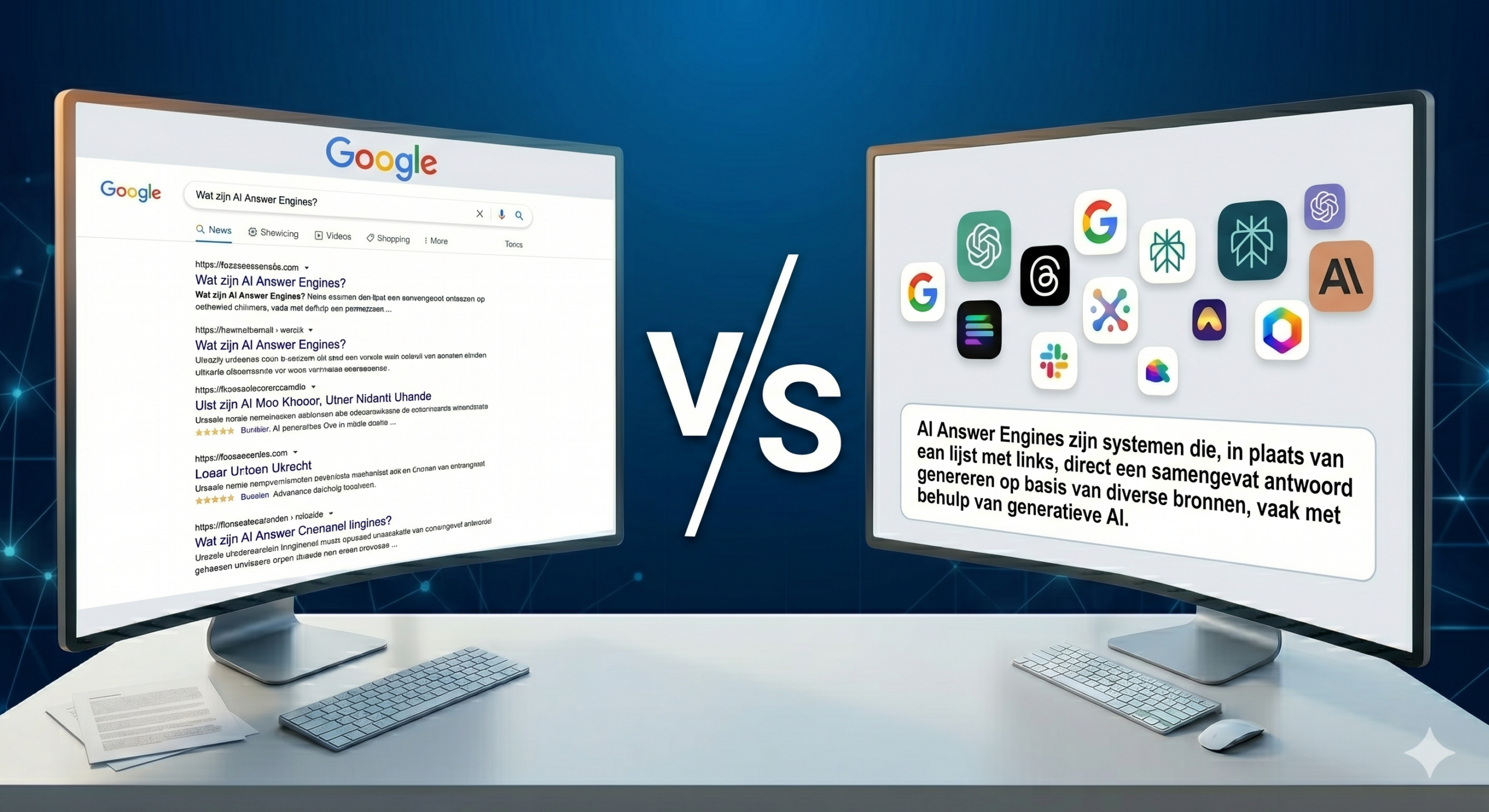
Search engines are still dominant. Billions of searches are performed on Google every day. People search for products, services, information, and inspiration. However, the same search intent is slowly shifting towards generative platforms such as ChatGPT, Gemini, or Google’s AI Overviews. There, people no longer receive a list of links, but a direct answer. This means: SEO hasn’t disappeared, but it’s facing competition from a new information layer above it. This AI layer decides whether you even come into the picture. And this happens before someone clicks on a search result. This calls for a new strategy that cleverly combines SEO and GEO (Generative Engine Optimization).
What Remains the Same in SEO
The basic principles of SEO still apply. Search engines still value:
- Technically healthy sites that load quickly and are easily indexable
- Content that is relevant to search intents
- Authority through backlinks and external mentions
- Structure, semantics, and clear titles
If you ignore these principles, you’ll still be penalized in search results. However, it’s no longer sufficient to be found in the traditional Google display. You must also be visible in the AI layer above it. Additional rules apply there.
What’s Changing Due to AI
AI models don’t work with rankings or search volumes. They generate answers based on understanding, context, and repetition. This means:
- Your content must be recognizable and reusable in answer form
- AI looks at information from the entire web, not just your own site
- Entities, structure, and reliability weigh more heavily than keywords
- User-generated content, external signals, and reviews are crucial
So it’s no longer just about optimizing your own platform, but about your total digital footprint. AI makes no distinction between what you manage and what others say about you. Everything counts in the final answer.
The Merger of SEO and GEO
The future demands a hybrid approach. You still need to be findable in search engines (SEO), but at the same time visible and credible in AI answers (GEO). This means:
- Rewriting SEO content in formats that AI can process
- Enriching your website with entities, context, and structured data
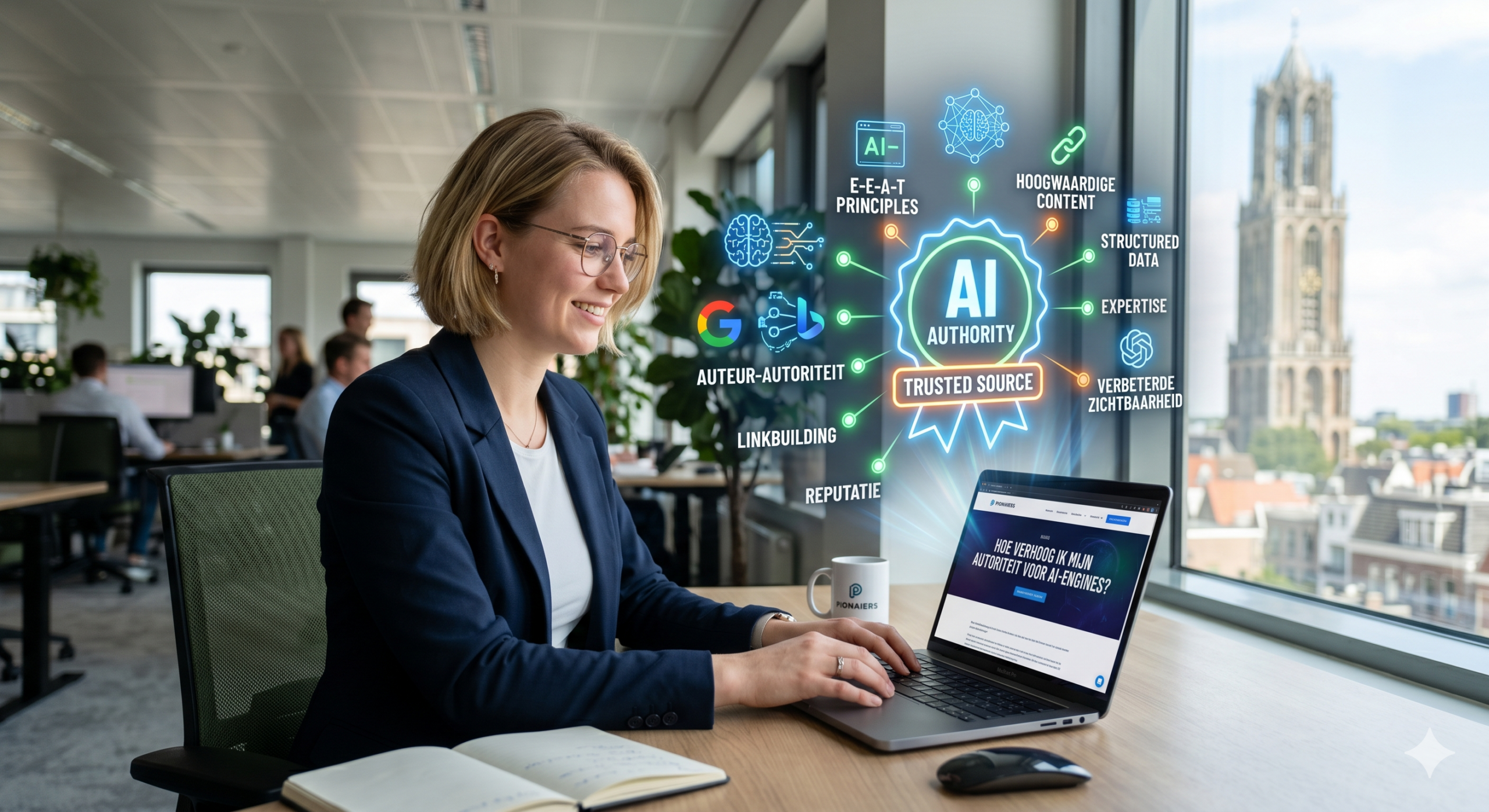
- Actively building authority and credibility outside your site
- Setting up FAQs, comparison pages, guides, and choice tools
- Including user reviews, earned media, and forums in your strategy
GEO is not a replacement for SEO, but an extension. Those who cleverly combine the two will soon have a double advantage: findable for people who search, and visible for AIs that choose.
What Does this Mean for your Marketing Team?
Your content strategy needs to be redesigned. No longer just based on search volume and keywords, but on intent, questions, formats, and entities. You need to measure if you’re being found in AI, and adjust where necessary. This requires a team that understands how AI works, and how SEO works. No black box tricks, but strategic insight into how online visibility is evolving. Content Teams, SEO specialists, and PR professionals will need to work more closely together than ever before.
Conclusion: SEO Lives, but the AI Era Demands More
Those who think SEO is dead are missing the reality. But those who think SEO alone is enough are missing the future. The rules have changed. AI increasingly decides who is and isn’t visible. And that choice is based on more than just your site. The brands that understand this are building broader visibility. They remain findable in search engines and visible in AI answers. They don’t choose between SEO or GEO, but invest in both. Because the question isn’t whether AI will choose your brand, but when.