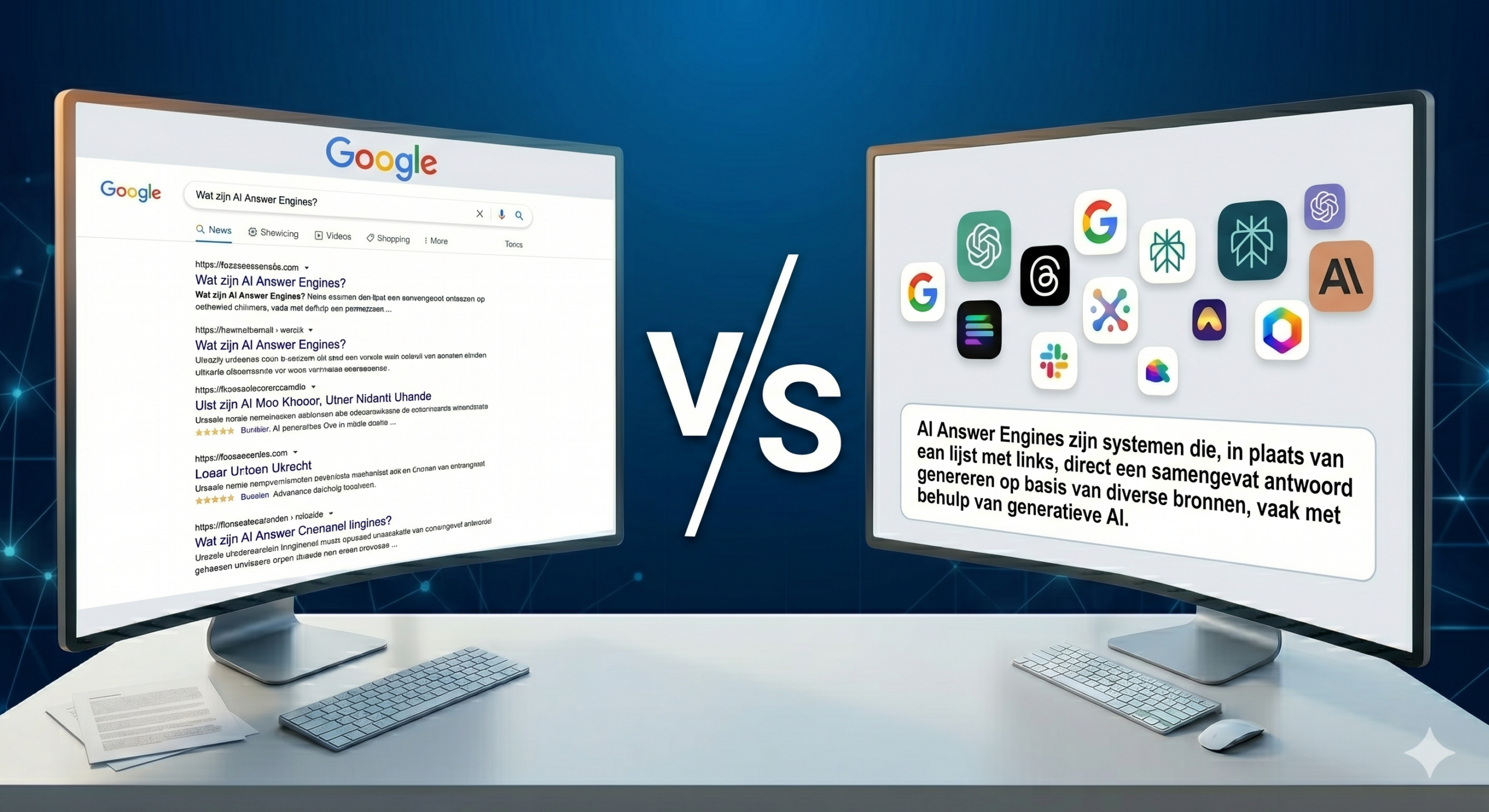
AI is not human. It does not read blogs as we do, scan sites from top to bottom, or remember a pleasant tone of voice. What it *does* do? Recognize structure, process patterns, and assign meaning to what it identifies as a logical answer. And precisely for this reason, some content formats in the AI era work better than ever, while others completely lose their effectiveness.
In this article, we demonstrate which formats are most easily adopted by AI models such as ChatGPT, Gemini, or Google’s AI Overviews. We also highlight which formats you should revise or rewrite today if you wish to be found and selected.
What AI Requires from Your Content
Before we delve into the formats, let’s address the core principle: AI selects content that is comprehensible to machines. This implies:
- Structured Composition
- Clear Semantics (identifying subjects and objects)
- Direct Answering of Questions
- Recognizable Formats That Have Proven Successful
This may sound technical, but in practice, it involves straightforward choices. For instance, do you compose a review-style blog post, or do you create a genuine comparison table? Do you provide clear headings and entities within your FAQ, or not? Such decisions determine whether AI comprehends, trusts, and ultimately selects your content.
These Formats Are Effective
- Comparison Pages (A versus B)
AI appreciates structure. A page that clearly explains the differences between two brands, products, or services is significantly easier for a model to process than a general text. Utilize clear headings such as “What are the differences?”, “When do you choose A?”, and “Pros and cons of B”. - Extensive FAQs
Not concealed at the bottom of your site, but rather a dedicated page for each question, with the question itself serving as the literal title. For AI, this constitutes a direct match with frequently posed user prompts. Additional credit is awarded if you also provide concise, direct answers at the top. - How-To Guides and Step-by-Step Plans
Users appreciate them, and AI does too. If you explain how something functions in 5 or 7 clear steps, there is a high probability that this content will be utilized as a foundation in AI responses. Employ numbered lists and ensure the heading explicitly states the objective. - Entity-Rich Product Pages
Product pages that are rich in structured information, such as features, applications, instructions, and user experiences, perform effectively. This is particularly true if they utilize Schema.org markup and are properly linked to both internal and external resources. - Contextual ‘Buyer Guides’ or Selection Tools
“Which X suits your situation?” is a question AI frequently needs to answer. If you have already authored such a guide, structured in recognizable blocks like “For Beginners,” “For Professionals,” and “What Does the Price Indicate?”, then there is a high probability that your guide will be utilized in the response.
These Formats Are (Significantly) Less Effective
- Overly Creative Blog Articles
An inspiring narrative lacking structure may be pleasant for human readers, but AI often struggles to process it. Particularly if it lacks clear headings, questions, or entities, this type of content will be excluded from the selection of relevant sources. - Over-Optimized SEO Texts
Content that is awkwardly saturated with keywords, lacking clear intent or structure, is more likely to be disregarded than selected. AI is trained on quality, not on keyword stuffing. - Video-Only or Visually Heavy Formats Without Transcripts
An effective explainer video can function perfectly for human visitors, but without textual context, it is virtually invisible to AI. Therefore, always include a transcript or supplementary explanation. - General Homepage Texts
Most homepages feature numerous slogans, benefits, and broad concepts, yet offer limited concrete information. AI prefers specific pages that delve deeply into a single subject. Your homepage is seldom the content that is selected.
What Does This Imply for Your Content Strategy?
You are not required to reinvent your content, but you *must* learn to restructure it. For every piece of content, ask yourself:
- Is this a format that AI recognizes as informative or authoritative?
- Am I addressing a specific question, or merely providing general information?
- Can an AI model easily categorize and link this information?
If the answer to any of these questions is negative, it is prudent to adapt your content to a format that *is* effective in the AI era. Occasionally, this may involve a minor adjustment; at other times, a complete reconstruction may be necessary.
Conclusion: Content Remains Effective, But Not Autonomously
The notion that quality content sells itself is obsolete in the AI era. Only content that AI comprehends, trusts, and can reproduce in its responses remains relevant. This does not necessitate writing unengaging texts, but rather selecting formats that are logical for both human and machine interpretation.
Those who select formats congruent with AI’s processing methods will enhance their visibility. Conversely, those who persist in using formats incomprehensible to AI will gradually diminish their presence in the competitive landscape. The decision rests with you.